
1960-1970: The Golden Sixties and the Transformation of Japan
- Feb 12
- 3 min read
The 1960s in Japan was an exciting time that changed how the country appeared to the world; it was called the 'Golden Sixties.'
This was the moment Japan stopped looking only at recovery and started dreaming bigger.
Cities grew upward. Trains became faster. Young people discovered new music. And everyday life began to feel modern for the first time.
Table of Contents

The 1964 Tokyo Olympics: a new sense of pride

On October 10, 1964, the National Stadium was filled with waving flags from every nation. The Tokyo sky was perfectly clear and blue. When the Blue Impulse pilots drew the five Olympic rings in the air, the great festival of peace and sports finally began.

Shinkansen bullet train
Less than 20 years after the war, Japan wanted to show the world a new image — peaceful, advanced, and full of possibility. And it succeeded.


Just days before the opening ceremony, the Shinkansen bullet train began running. People watched in amazement as it connected cities faster than ever before. At the same time, new highways, stations, and monorails appeared almost overnight.
Across the country, families gathered around color TVs to cheer for Japanese athletes. For many, it was the first time they felt a strong sense of shared national success.
Manga and Anime
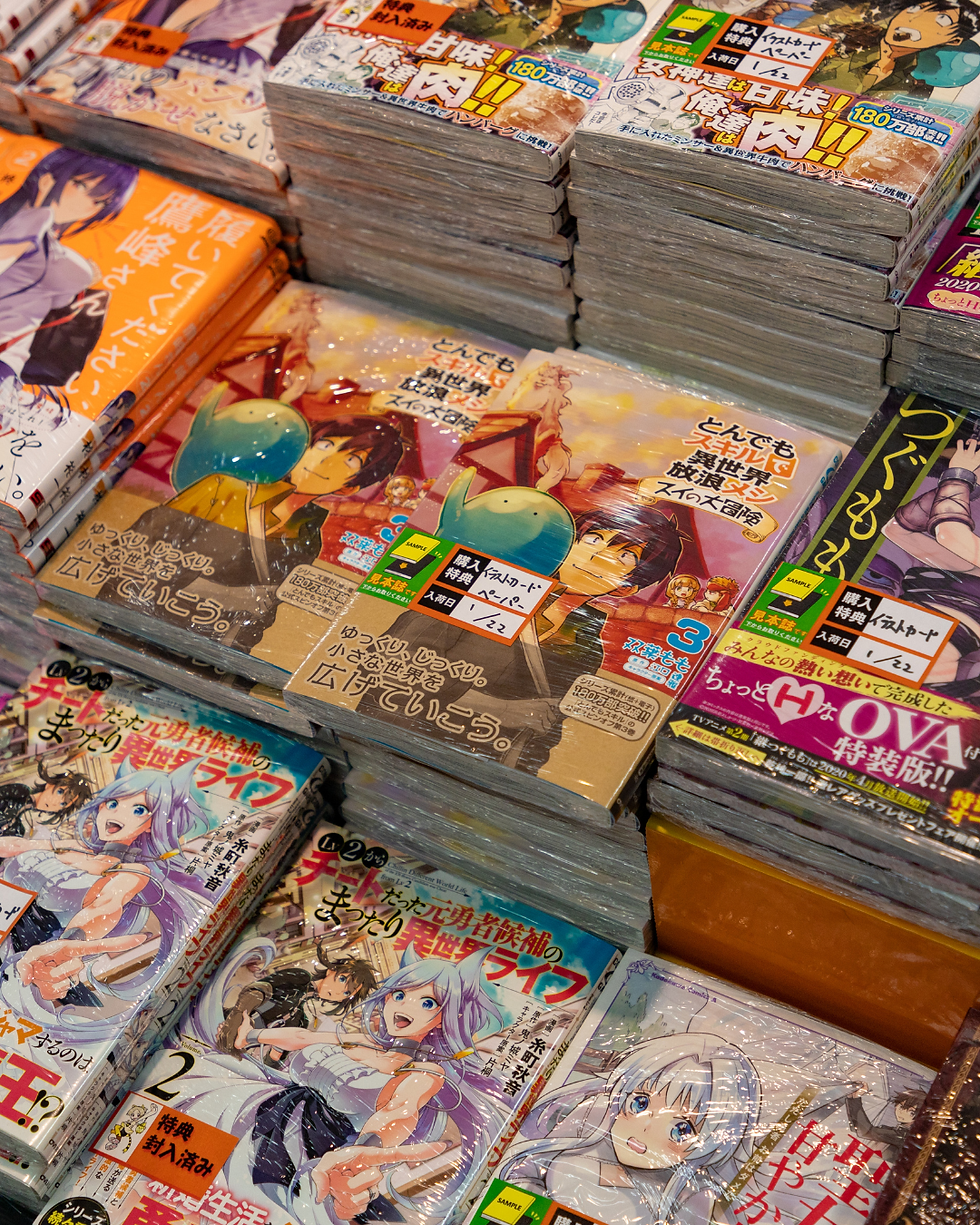
Before the 1960s, comics were mostly for children. In the 1960s, manga stopped being “just for kids.”
Artists began creating deeper, more emotional stories through a new style called Gekiga, which focused on realism and drama.
Readers finally saw manga as something meaningful.
Then came Astro Boy in 1963. It showed that anime could tell powerful stories about science, humanity, and the future.

Weekly manga magazines also became part of daily life. People read them on trains, during lunch breaks, and at home after work. Manga and anime became a shared cultural language.

劇画 "Gekiga"
During this decade, manga grew into a massive cultural force for all ages. This era saw the birth of "Gekiga" (dramatic pictures), which told more serious and cinematic stories.
This decade proved that animation wasn't just a hobby; it was a legitimate way to tell complex stories about the future, technology, and humanity.
Key Cultural Milestones in Art
Medium | Key Figure/Work | Impact |
Manga | Osamu Tezuka | Perfected the "cinematic" style of storytelling. |
Anime | Astro Boy (1963) | The first popular half-hour animated series on TV. |
Magazine | Weekly Shonen Magazine | Started the trend of weekly manga consumption. |
Music: The Rise of "Group Sounds" and Rock
The 1960s saw a massive shift in what young people listened to. While traditional music was still around, the arrival of Western Rock and Roll—specifically The Beatles visiting Tokyo in 1966 changed everything.
Japanese musicians started forming "Group Sounds" (GS) bands. They mixed Western electric guitars with Japanese melodies. This created a new "teen culture" where music was about rebellion, fashion, and energy rather than just traditional folk songs.
Konbini: The Convenience Revolution
The way people ate in Japan changed forever during this decade. As people moved to cities for work, they needed food that was fast and reliable.
Convenience Stores

Source: SEVEN ELEVEN JAPAN Toward the end of the decade, the very first convenience stores began to appear. This moved shopping away from small local markets toward 24-hour accessibility.
The term “conbini” (convenience store) didn’t become common until the 1980s. Before that, these shops were often called “late-night supermarkets,” since people mainly saw them as supermarkets with extended hours.
Even during that earlier period, stores were already starting to sell ready-to-eat foods like bento boxes, rice balls, and fried items. Seven-Eleven had also begun offering oden. In 1978, a major innovation appeared: the now-familiar hand-wrapped onigiri, designed with rice and seaweed packaged separately to keep the seaweed crisp.
(Reference: Seven-Eleven history)
Western Flavors
Bread, milk, and meat became more common in the average diet, blending with traditional rice and fish.
Global Influence: Technology and Innovation
By 1970, "Made in Japan" no longer meant "cheap." It meant "cutting edge." Japan began to lead the world in electronics and car manufacturing.
Transistor Radios
Japanese companies made music portable.
Calculators
Japan dominated the market for office tech.
The 1970 World Expo
Held in Osaka, this event showcased "Progress and Harmony for Mankind," highlighting Japan’s role as a leader in future technology.
The 1960s were the turning point for Japan. The Olympics brought back national pride, manga and anime let creativity run wild, and new food and music modernized daily life. It was the decade when Japan truly stepped onto the world stage.


Comments